
Sample multiplexing
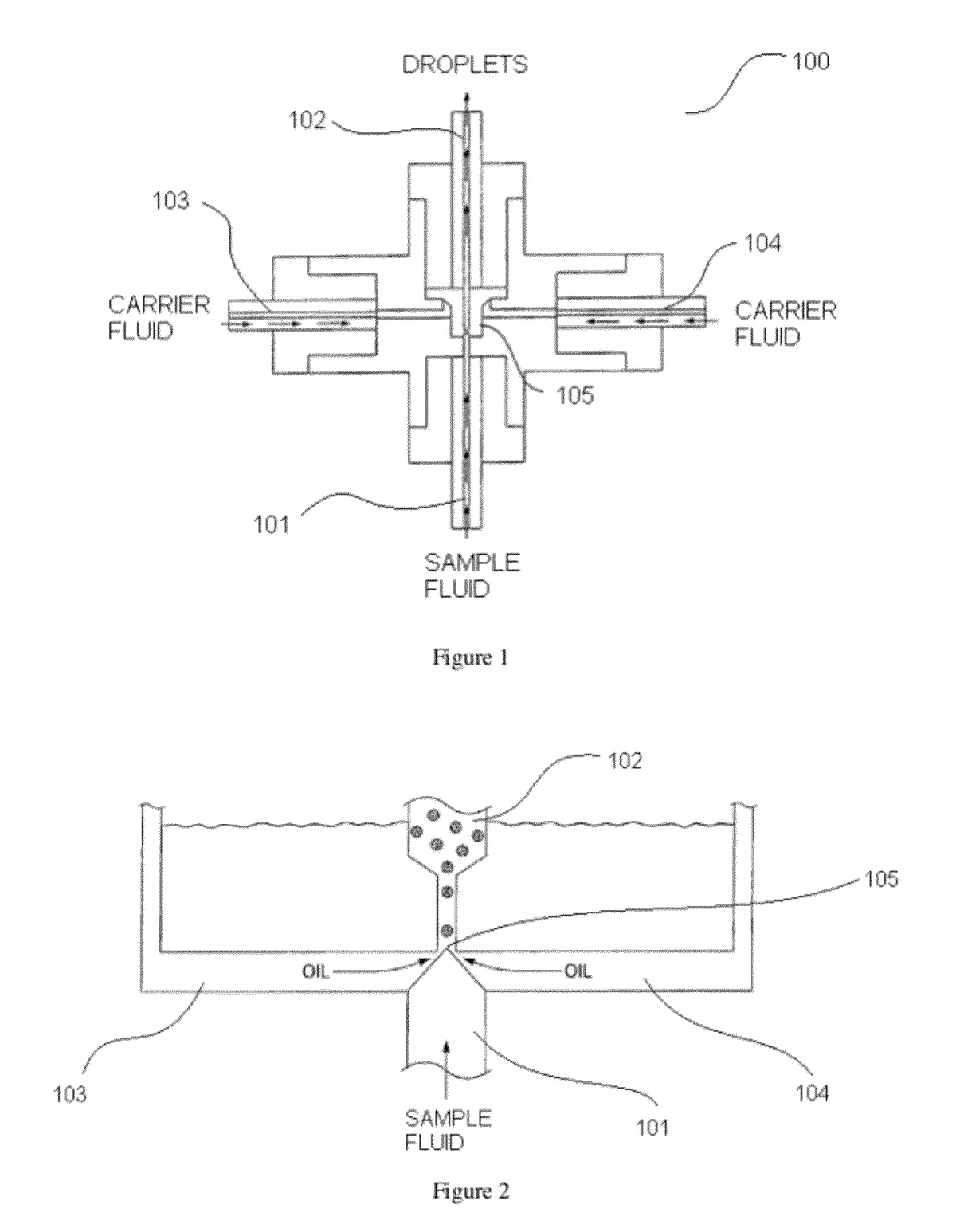
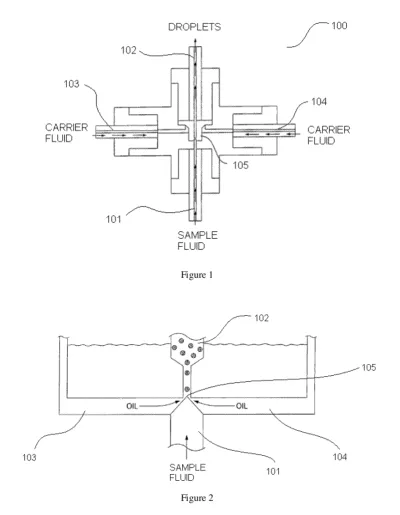
The invention generally relates to methods for sample multiplexing. In certain embodiments, methods of the invention obtaining a plurality of different reactant molecules, attaching a unique identifier to the reactant molecules, and forming a droplet including the reactant molecules.
Knowledge of the human genome has given rise to inquiry into individual differences, as well as differences within an individual, as the basis for differences in biological function and dysfunction. Typical methods used to interrogate these genomic differences involve analyzing functional elements of the genome, i.e., protein coding regions, to look for variants within those regions. Exemplary analysis methods include sequencing and PCR based assays. The ability to multiplex samples, i.e., pool different patient samples, is important for decreasing costs and increasing the through-put of analysis platforms.
The invention provides methods for unique identification of reactant molecules, especially in heterogeneous samples. Methods of the invention involve obtaining reactant molecules from different samples, attaching a unique identifier to the reactant molecules so that they can be tracked. The labeled reactant molecules are then pooled and droplets are formed including labeled reactant molecules from different samples. Due to the association of the identifier with reactant molecules from a particular sample, resulting data from the pooled samples may be separated after analysis has occurred and correlated back to the sample from which it originated. Exemplary reactant molecules include nucleic acids and proteins. In preferred embodiments, the reactant molecules are nucleic acids isolated from different samples.
Knowledge of the human genome has given rise to inquiry into individual differences, as well as differences within an individual, as the basis for differences in biological function and dysfunction. Typical methods used to interrogate these genomic differences involve analyzing functional elements of the genome, i.e., protein coding regions, to look for variants within those regions. Exemplary analysis methods include sequencing and PCR based assays. The ability to multiplex samples, i.e., pool different patient samples, is important for decreasing costs and increasing the through-put of analysis platforms.
Industries where the invention can be useful?
Chemical & Material Sciences,Life Sciences & Earth Sciences
Documents
-
1782858901193_715.pdf
Actions
Added all portfolio
| Country | Current Status | Patent Application Number | Patent Number | Applicant / Current Assignee Name | Title | Google Patent Link |
| USA | Published | US8841071B2 | US20120309002A1 | Darren Link | Sample multiplexing | Google patent link |
You may also like the following patent